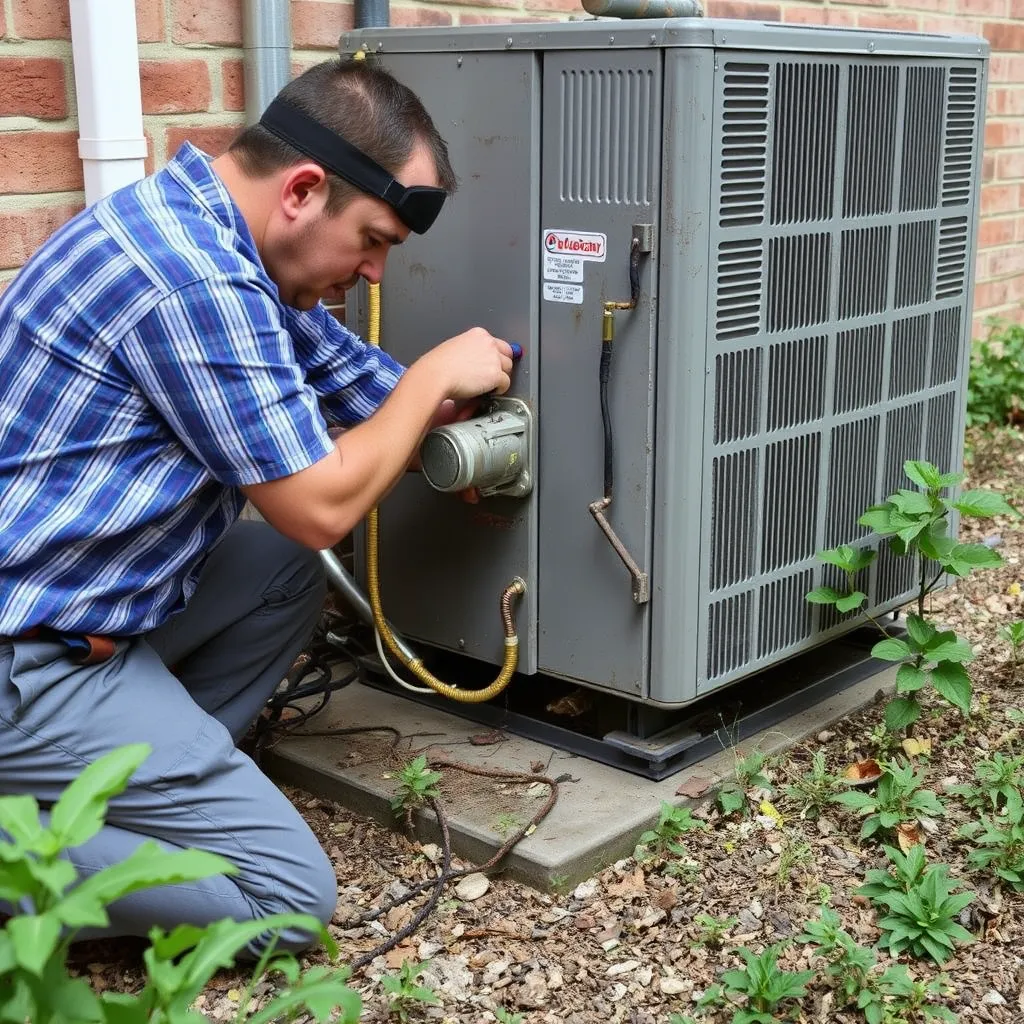
Every homeowner eventually faces a choice — keep repairing an aging HVAC system or invest in a new one. While repairs may seem cheaper at first, frequent breakdowns, rising energy bills, and outdated components can make replacement the smarter move. Understanding when to repair and when to replace ensures comfort, reliability, and financial efficiency over time.
When repair makes sense
Not every malfunction requires a new system. In many cases, professional repair restores full functionality at a reasonable cost.
Repair is the better choice if:
- The system is under 10 years old and otherwise performs well.
- The repair cost is less than 25% of the replacement price.
- The unit has been regularly maintained and hasn’t experienced repeated failures.
- The problem involves minor components like a capacitor, relay, or fan motor.
Routine repairs can keep a relatively new HVAC system running efficiently, especially if the rest of the equipment is in good condition.
When replacement is the smarter option
Even the best maintenance can’t prevent eventual aging and efficiency loss. Over time, wear accumulates, parts become obsolete, and the system struggles to meet comfort demands.
Consider replacement if:
- The system is 12–15 years old or older.
- Most HVAC systems reach the end of their expected service life around this range. Efficiency drops sharply after that, leading to higher energy bills and frequent service calls.
- Repairs are frequent or expensive.
- If repair costs exceed 40–50% of a new system’s price or occur more than twice a year, replacement will likely save money in the long run.
- Energy bills are rising.
- Older units consume significantly more energy. Modern HVAC systems are 20–40% more efficient thanks to variable-speed fans, improved refrigerants, and smart controls.
- Comfort is inconsistent.
- Uneven heating, slow cooling, or excessive humidity suggest declining performance. A new system can regulate temperature more precisely and maintain steady airflow.
- Refrigerant type is outdated.
- Older air conditioners use R-22 refrigerant, which is now phased out and expensive. Replacing the system avoids high refill costs and ensures compliance with environmental standards.
- Noise or vibration increases.
- Excessive mechanical noise indicates worn bearings or imbalance — often signs of overall system deterioration. Newer models operate much more quietly.
Comparing long-term costs
While replacement costs more initially, it often results in lower monthly expenses. A new, energy-efficient system can cut utility bills by up to 30%. Combine that with reduced repair costs and warranty coverage, and the investment usually pays for itself within a few years.
Example:
- Average annual maintenance and repair for an old unit: $400–$600.
- Energy savings from a new unit: $200–$400 per year.
- Total long-term savings: Up to $1000 annually, plus improved reliability.
Benefits of upgrading
- Higher efficiency: Advanced compressors and smart thermostats optimize energy use.
- Improved air quality: Better filtration and humidity control.
- Quieter operation: Sound-dampening design reduces indoor noise.
- Smart control: Wi-Fi thermostats allow remote management and automatic adjustments.
- Warranty protection: New systems come with parts and labor warranties lasting up to 10 years.
Factors to evaluate before deciding
- System age: Compare the current age to its expected lifespan.
- Repair cost vs. replacement cost: Use the “50% rule” — if the repair is half the cost of a new unit, replace it.
- Energy efficiency: Check the SEER (Seasonal Energy Efficiency Ratio) or AFUE (Annual Fuel Utilization Efficiency). Higher ratings mean lower operating costs.
- Home improvements: If you’ve upgraded insulation or installed energy-efficient windows, a smaller, modern unit may now suit your needs better.
- Budget and timing: Replacing proactively in mild weather allows more options and avoids emergency costs during peak season.
Transitional option: partial replacement
In some cases, replacing only part of the system — such as upgrading the air handler or condenser — can extend overall life. However, components must be compatible in capacity and refrigerant type. A professional evaluation determines whether partial replacement is feasible.
When to seek professional advice
A qualified HVAC technician can perform a system assessment including:
- Efficiency testing and airflow analysis.
- Refrigerant and electrical checks.
- Cost comparison between repair and full replacement.
- Recommendations for system size and model suited to your home.
They’ll also estimate annual operating costs for both scenarios, helping you make an informed choice.
Deciding between HVAC repair and replacement depends on more than just cost — it’s about long-term comfort, efficiency, and reliability. If your system is relatively new and the issue is minor, repair makes sense. But if you’re facing frequent breakdowns, rising bills, or outdated equipment, replacement offers lasting savings and peace of mind. Investing in a new system at the right time ensures consistent comfort, lower energy costs, and dependable performance for many years ahead.
Chicken coop plans manual | Related Posts:

Comments are closed here.